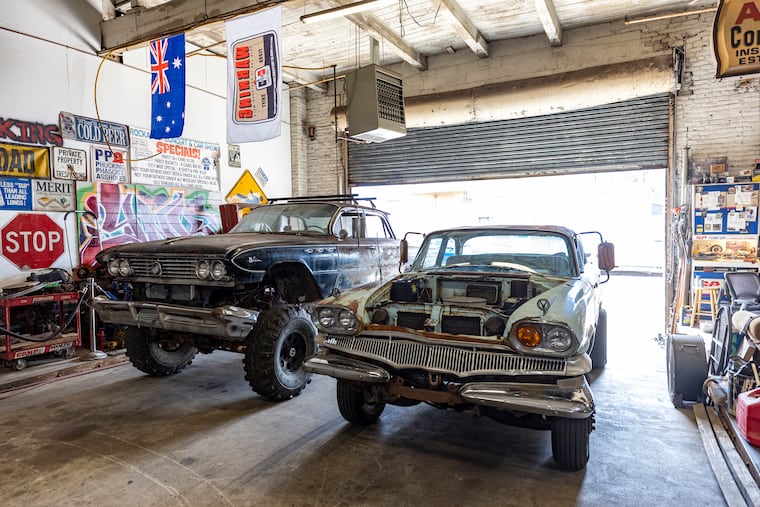
A cheap classic, unfinished muscle car, or "mostly complete" project can turn into an incredible build, or a complete financial disaster. The problem is that excitement makes people overlook things they normally wouldn't tolerate on any other car purchase. Rust gets ignored. Missing parts get underestimated. "Easy fixes" become six-month headaches. And suddenly the "cheap" project car costs more than buying a finished one in the first place.
The good news is that most project car disasters are avoidable if you know what to look for before handing over cash.
Here's how to buy a project car the smart way, without getting burned.
1. Decide What Kind of Project You Actually Want blog-20260527-2C4BD5C9-E9CE-7167-DF13B9704DCEE3E9.jpg
Before you even start browsing listings, be honest about what you want the car to become.
There's a huge difference between:
A weekend cruiser
A full restoration
A drag car
A restomod
A track car
A daily driver project
A lot of people buy a car first and figure out the plan later.
That usually ends badly.
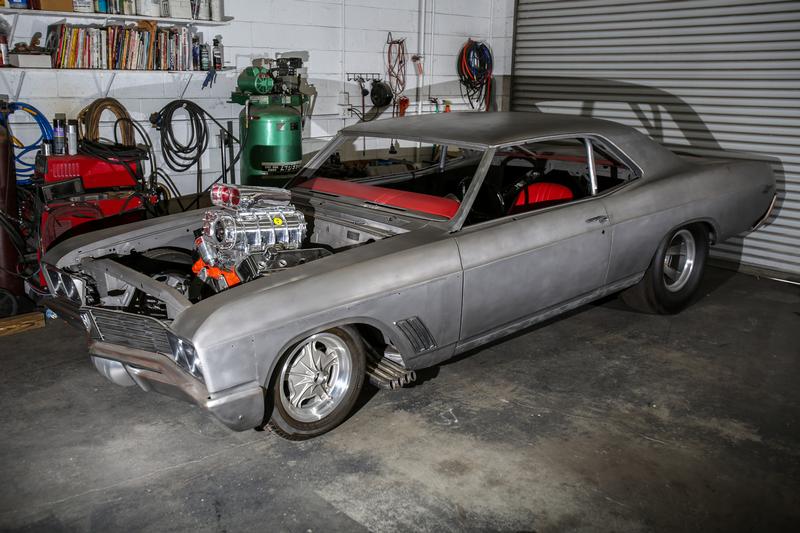
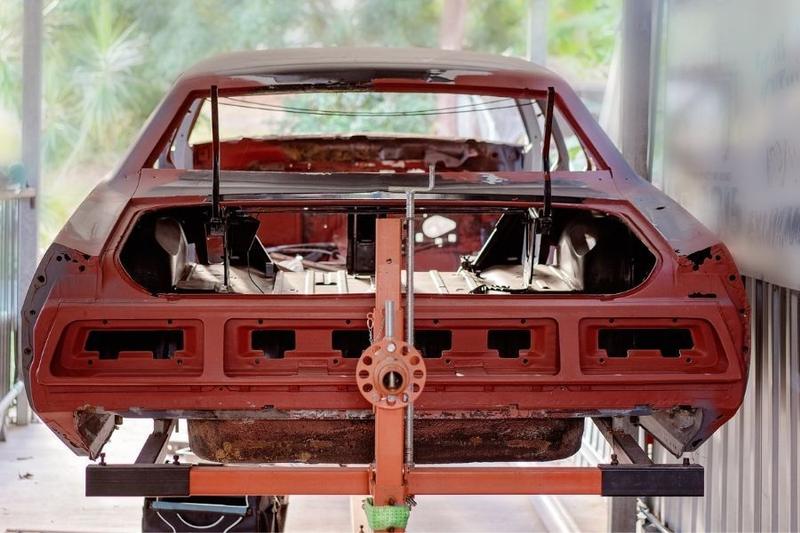
If your goal is simply to cruise on weekends, you probably don't want a stripped shell needing full floor pans and quarters. If you want a high-end restoration, buying a heavily modified car may create more problems than it solves.
The clearer your goal is up front, the easier it becomes to filter out bad purchases.
2. Rust Is More Important Than the Engine blog-20260527-2C313B28-A4DE-CEE4-84E69DB3AB52A010.jpg
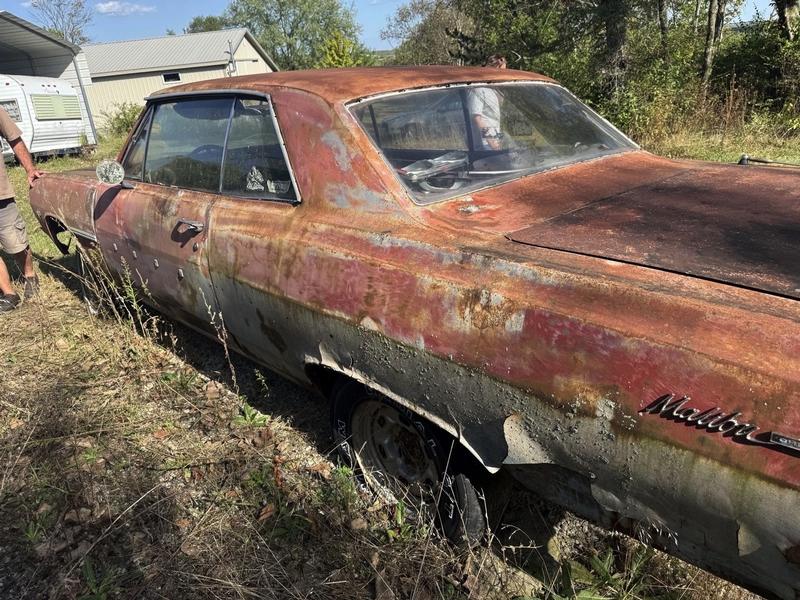
This is probably the biggest mistake first-time project car buyers make. People get emotional about engines because they're visible and easy to understand. Rust is different. Rust hides. And serious rust repair gets expensive very quickly.
When inspecting a project car, pay close attention to:
Floor pans
Frame rails
Rocker panels
Shock towers
Trunk floors
Lower fenders
Wheel arches
Windshield corners
Rear window channels
Fresh undercoating can also be a red flag. Sometimes it's legitimate. Sometimes it's hiding a disaster. A bad engine can be replaced fairly easily. A heavily rusted chassis can consume years and tens of thousands of dollars.
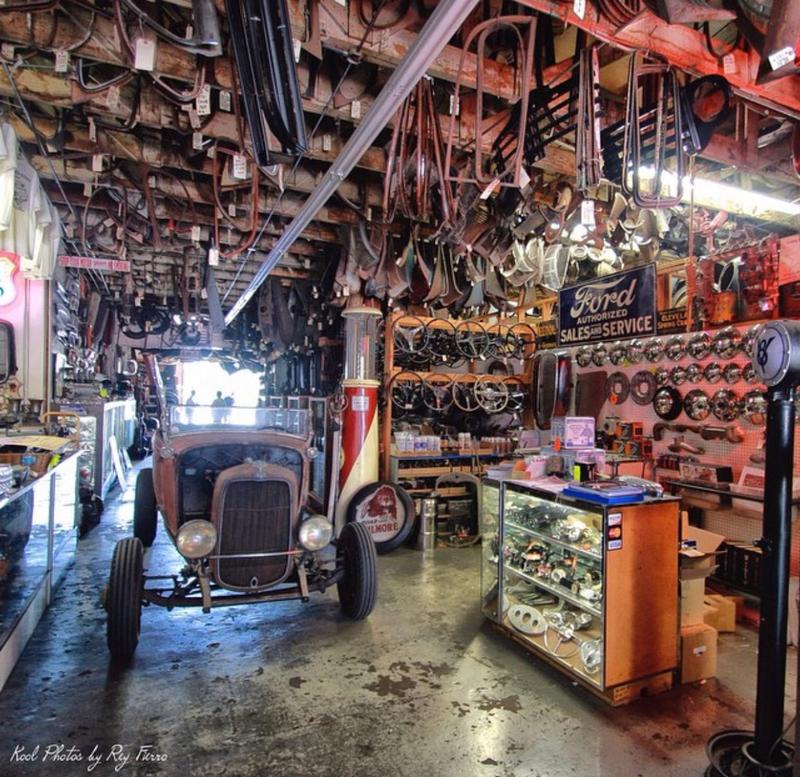
3. Missing Parts Can Destroy Your Budget blog-20260527-2C3AB107-A6DA-FE45-87754D9E0C9A9BC1.jpg This gets underestimated constantly. People see a cheap incomplete project and assume they can "just find the parts later." That's not always true. Some parts are expensive. Some are rare. Some basically don't exist anymore.
Things that become surprisingly painful to source:
Trim pieces
Interior panels
Dash components
Brackets
OEM hardware
Correct glass
Year-specific parts
Wiring harnesses
This is especially true with older muscle cars and limited-production vehicles. A complete car with a rough engine is often a far better purchase than a cheaper incomplete car missing hundreds of little pieces. Those little pieces add up fast.
4. "Ran When Parked" Usually Means Nothing blog-20260527-2C4173B6-B19F-130A-53A44C9519F77605.jpg
"Ran when parked."
Everybody has seen the listing.
That could mean:
Last month
Ten years ago
Before the Clinton administration
Cars that sit develop problems even if they were running perfectly beforehand.
Common issues include:
Dried seals
Bad fuel
Frozen brakes
Rotten fuel lines
Rodent damage
Corroded electrical connections
Locked-up cooling systems
If the car hasn't been driven recently, assume it will need mechanical work before it becomes reliable. And if the seller can't prove it runs now, price it accordingly.
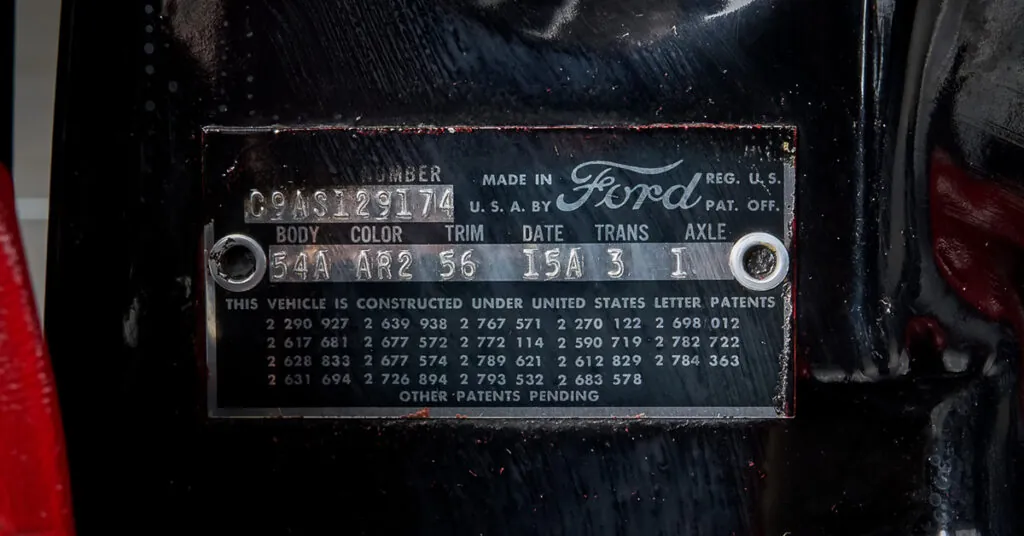
5. Check the Title and VIN FIRST blog-20260527-2C5064BB-C754-5941-838FED5AF79B43DF.webp Nothing kills a project faster than paperwork problems.
Before getting emotionally attached to the car:
Verify VIN matches the title
Check that VIN tags appear original
Confirm title status is clean
Verify seller actually owns the vehicle
Be especially careful with:
Salvage titles
Bonded titles
Missing titles
Incomplete paperwork
Every state handles title issues differently, and fixing them can become a nightmare.
"I'll figure it out later."
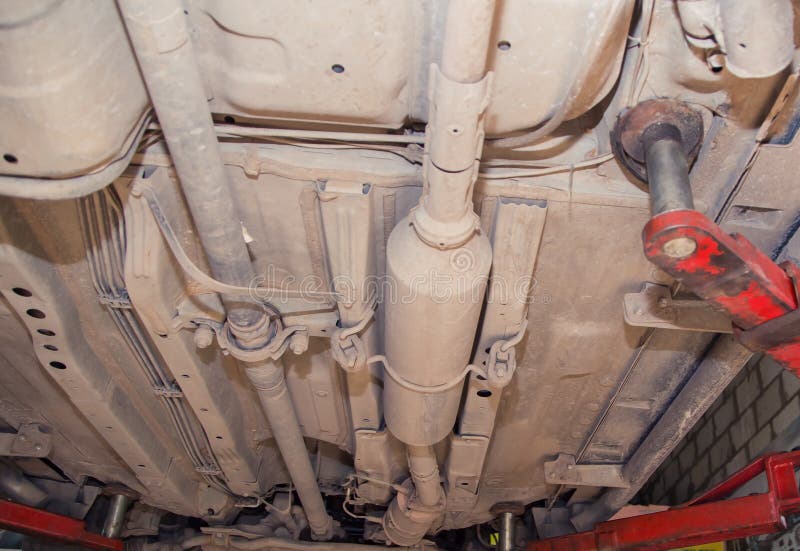
6. Look Under the Car, Not Just At It blog-20260527-2C5847AD-9CE2-B334-F1802E4CDD14BC2E.jpg
A shiny exterior means nothing if the underside is destroyed.
Bring:
A flashlight
Gloves
Clothes you don't mind ruining
Then actually get underneath the car.
Look for:
Rust holes
Patched floors
Poor welding
Bent frame sections
Leaking differentials
Cracked suspension mounts
Hacked wiring
A surprising number of project cars look great from ten feet away.
The real story is usually underneath.
7. Budget Reality, It Will Cost More Than You Think blog-20260527-2C5F8E67-C55A-5AB8-2BD3751626315EBD.jpg
Here's the truth nobody wants to hear:
The cheapest part of most project cars is buying them.
Even simple builds become expensive once you factor in:
Parts
Labor
Tools
Paint
Upholstery
Machine work
Suspension
Brakes
Tires
Wiring
And that's before unexpected problems show up. A realistic budget matters far more than optimism. If your maximum budget is $15,000 total, buying a $12,000 project is usually a mistake. Leave room for surprises. Because there will absolutely be surprises.
8. Buy the Most Complete Car You Can Afford blog-20260527-2C64FF0B-0765-672D-D9D724BACD307E0A.jpg
People often chase the cheapest possible starting point. That's backwards.
A more complete car will almost always:
Cost less overall
Take less time
Require less hunting
Create fewer headaches
A rough but complete car is usually a better project than a cheaper disassembled basket case with missing parts. Even if the upfront price feels higher. The goal isn't finding the cheapest car. The goal is finding the smartest project.