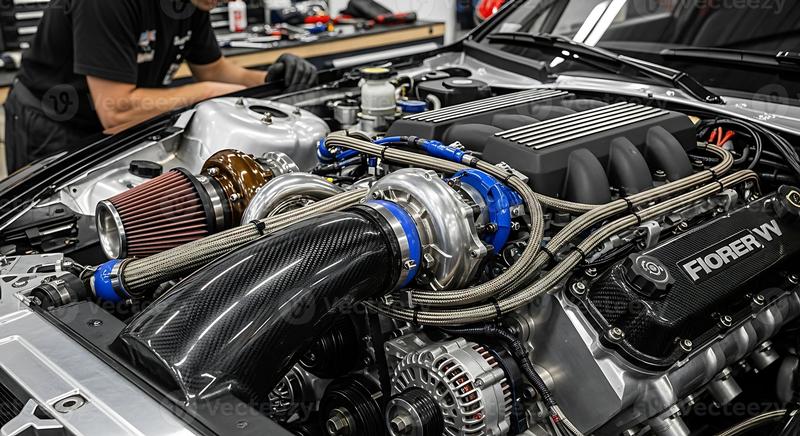
For the past few years, the narrative around performance cars seemed inevitable. Electric vehicles were coming, regulations were tightening, and the internal combustion engine, especially the V8, was widely expected to fade into history. Many assumed the transition would happen quickly, and that traditional performance cars would soon be replaced by silent, battery-powered machines.
But something unexpected happened.
Instead of disappearing, the V8 is staging a comeback. Manufacturers are doubling down on internal combustion performance, launching new high-output engines, limited-production track cars, and enthusiast-focused models that lean heavily into traditional power. From the Corvette lineup to the latest Mustang variants, the message is clear: the V8 is not going quietly.
And more importantly, performance cars are not going fully electric yet, for reasons that go far beyond nostalgia.
Performance Is About More Than Speed
Electric vehicles are undeniably fast. Instant torque and advanced traction systems allow many EVs to accelerate quicker than traditional gasoline-powered cars. In straight-line acceleration tests, some electric sedans can outperform supercars that cost significantly more.
But performance is not just about acceleration.
Track performance introduces a different set of challenges. Sustained high-speed driving generates enormous heat, places heavy demands on braking systems, and requires consistent power delivery lap after lap. This is where internal combustion engines, especially high-performance V8 platforms, still hold a major advantage.
Battery systems are improving rapidly, but under repeated hard driving, many electric vehicles experience performance reduction due to heat management and energy consumption. On a long road course or extended track session, maintaining consistent output becomes more difficult for fully electric platforms.
For enthusiasts who measure performance over minutes instead of seconds, that difference matters.
The Sound, the Feel, and the Experience
There is also an emotional component that cannot be ignored.
The sound of a V8 engine, the vibration through the chassis, and the mechanical feedback from throttle and drivetrain are part of what defines the performance car experience. These elements create a connection between driver and machine that goes beyond numbers on a spec sheet.
Electric vehicles deliver impressive speed, but they do it differently. The experience is smoother, quieter, and more controlled. For many drivers, that refinement is appealing. For others, it removes part of the excitement.
Performance culture has always been about engagement, not just efficiency.
That is why manufacturers continue to invest in engines that deliver character, not just output.
Infrastructure Still Matters
Another factor slowing the transition to fully electric performance cars is infrastructure.
High-performance driving consumes energy quickly. A track session can drain a battery far faster than normal street driving, and recharging that energy requires time and access to high-capacity charging equipment. While charging networks are expanding, they are not yet optimized for performance-focused use cases like track days or racing events.
Gasoline-powered cars, by comparison, can refuel in minutes and return to the track immediately. That convenience remains a significant advantage for enthusiasts who value seat time.
Until charging becomes faster and more widely available in performance environments, internal combustion engines will remain practical.
Regulations Are Changing, But So Is Technology
Despite the continued popularity of V8 engines, the industry is still moving toward electrification. Emissions regulations and environmental goals are driving manufacturers to develop hybrid systems, alternative fuels, and more efficient engine designs.
What we are seeing now is not resistance to change, but adaptation.
Instead of eliminating the internal combustion engine, companies are refining it. Modern V8 platforms are more efficient, more powerful, and more reliable than ever before. Advanced materials, improved cooling systems, and sophisticated engine management software allow these engines to deliver performance levels that would have been impossible a decade ago.
At the same time, hybrid technology is quietly becoming a bridge between traditional and electric performance. By combining electric motors with gasoline engines, manufacturers can deliver both efficiency and power without sacrificing driving experience.
This transitional phase may last longer than many people expected.
The Enthusiast Market Is Driving the Decision
Perhaps the biggest reason performance cars are not going fully electric yet is demand.
Enthusiasts continue to buy vehicles with traditional engines. They modify them, race them, and build communities around them. Manufacturers pay close attention to that behavior, because it signals where the market is willing to spend money.
Performance cars are not mass-market transportation. They are passion-driven purchases. Buyers in this segment often prioritize excitement, sound, and engagement over efficiency.
As long as that demand exists, manufacturers will continue to build vehicles that deliver those experiences.
The Future Will Likely Be Hybrid, Not Fully Electric
The most realistic future for performance cars is not a sudden shift to electric power, but a gradual evolution toward hybrid systems.
Hybrid platforms allow manufacturers to maintain the character of internal combustion engines while adding electric assistance for acceleration and efficiency. They also provide flexibility for meeting regulatory requirements without abandoning the performance identity that enthusiasts value.
We are already seeing this approach in high-end performance vehicles, and it is likely to become more common across the industry.
The V8 is not disappearing. It is evolving.
Final Thoughts
The return of the V8 is not a rejection of electric technology. It is a reminder that performance is defined by more than acceleration numbers or efficiency ratings.
Drivers still want machines that feel alive, respond instantly, and deliver a sense of connection behind the wheel. For now, internal combustion engines continue to provide that experience in a way electric vehicles are still learning to match.
Eventually, the landscape will change.
But today, the V8 is still very much part of the performance conversation, and for enthusiasts, that is a good thing.
And on platforms like KickAssCars, where builds, performance data, and racing culture come together, that conversation is only getting started.